

Diet
Release Date:
2020-05-12
Experts often emphasize the close link between diet and energy levels. We frequently say that we feel sleepy after lunch—does what we eat for lunch have anything to do with that?
We’re all familiar with the biological clock—after all, it’s called the “biological clock” for a reason: when the sun sets, we feel sleepy, and when it rises, we naturally wake up. In fact, diet is also a major contributor to afternoon drowsiness, especially diets high in carbohydrates—such as fried foods, canned goods, pickled foods, and processed meat products like ham sausages. But why is that?
This is because high-carbohydrate foods are easily converted into sugar, causing blood glucose levels to rise rapidly. When blood glucose rises too quickly, insulin is secreted in large amounts, which facilitates the transport of tryptophan into the brain. Tryptophan is a crucial precursor for melatonin synthesis; the more melatonin produced, the sleepier one feels.
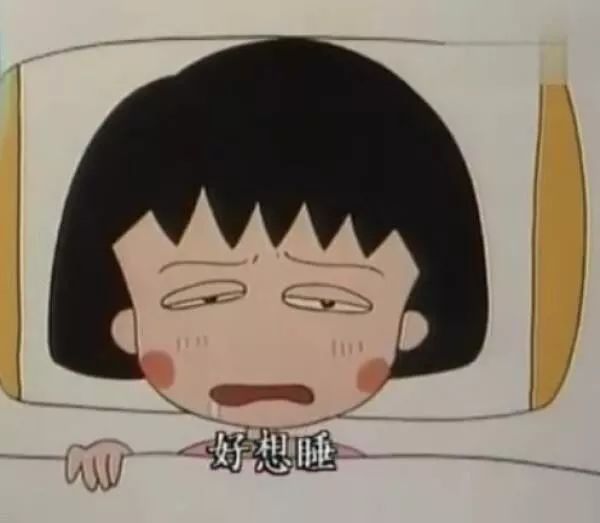
Moreover, overeating causes a large volume of blood to rush to the digestive tract, which in turn reduces blood supply to the brain and leaves you feeling tired. It’s the combined effect of these various factors that makes you feel drowsy.
Therefore, if you want to stay alert in the afternoon, be sure to pay attention to your daytime diet and eat more green vegetables!

Drink more water.
Older generations often say that water is the source of life and that drinking plenty of water can keep our bodies fully hydrated. But why is this the case?
Since the human body is composed of 70% water, dehydration can lead to feelings of fatigue. The benefits are as follows:
1. Facilitates absorption in the digestive tract
2. Regulate body temperature
3. Excreting Waste
4. Promote metabolism in the body
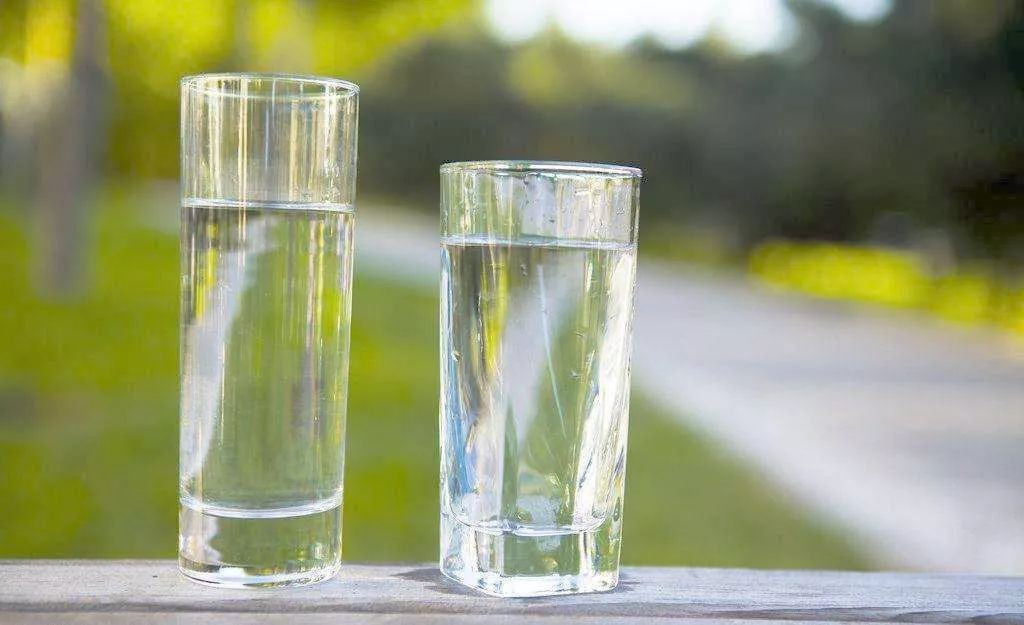
Tip~

Attention! The best times to drink water:
1. After getting up in the morning
2. One hour before the meal
3. One hour after a meal
4. Afternoon Study Break
Here's the key point~

How can you tell whether you’re drinking enough water?
Divide your body weight by 32, and the result is roughly the number of liters of water you need to drink each day.
“
That’s all for today’s mini-lecture—see you next time!
”
Recommended News
Contact Information
No. 112, Section 4, Heping Street, Longcheng District, Chaoyang City, Liaoning Province

WeChat Official Account
Online Pharmacy
JD.com store